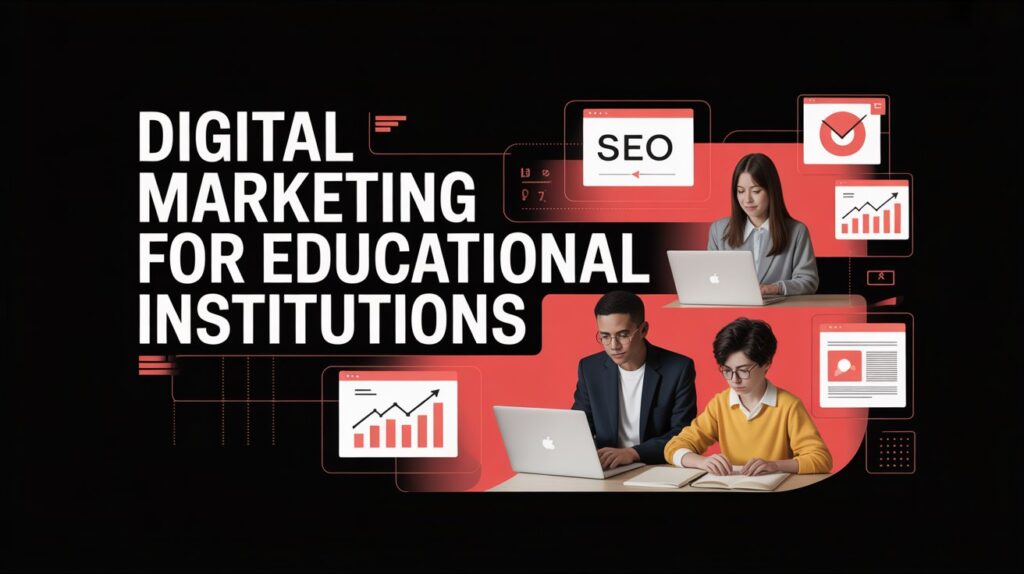
Educational institutions have been an integral part of the community for many years. Education institutions build an online presence, focusing on the effectiveness of their digital marketing strategy. Students, along with their parents, primarily rely on the internet to choose an institution to register. As a result, educational brands create visually appealing websites and digital marketing strategies to outdo their competitors. Advanced Techniques increase educational institutions visibility, and high level trust with potential students.
Why Digital Marketing Matters for the Education Sector
The significant amount of educational institutions, and the increase of online learning, has affected the way students choose an educational institution. Students want to know what courses are offered, the qualifications of the teaching staff, educational institution infrastructure, job placements, and want to see genuine testimonials before making an enrollment decision. Partnering with a Best Digital Marketing agency in Lucknow helps institutions meet these expectations. Traditional marketing methods will not and cannot achieve the level of transparency that potential students are searching for. Digital marketing is the way to go.
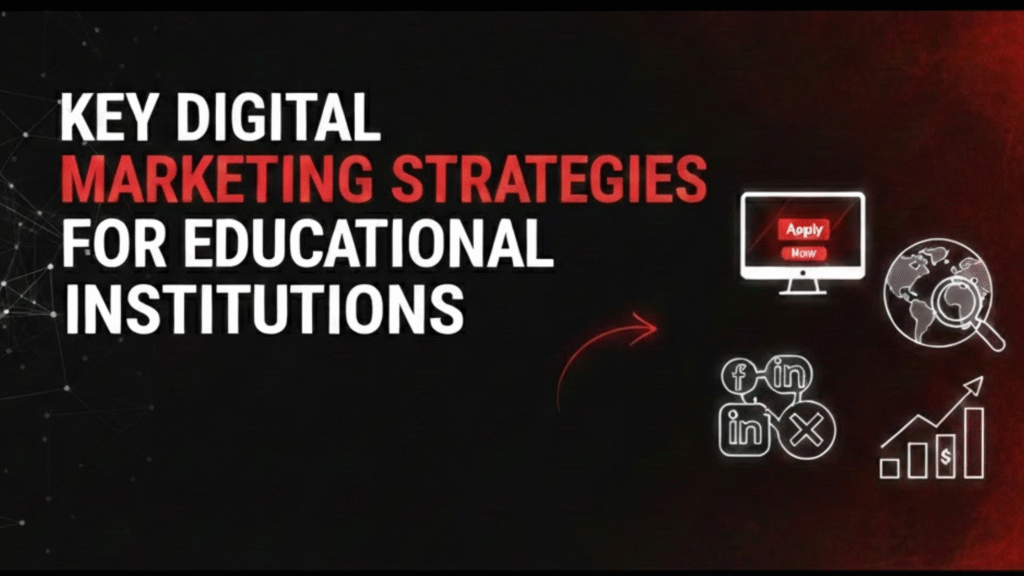
Key Digital Marketing Strategies for Educational Institutions
1. Creating an Optimized and Informative Website
A potential student\’s first point of contact with an educational institution, whether it be a school, college, or EdTech brand, is their website. The website must be fast, visually appealing and mobile friendly. Important content that a website requires are offered courses, how to gain admission, the services and amenities offered, student testimonials, and a means to contact the institution.Upon seeing the CTAs “Apply Now,” “Download Brochure,” and “Schedule a Counseling Call,” the website is also conversion-focused. SEO is also important to ensure the website is ranked highly on Google.
2. Search Engine Optimization (SEO) for Higher Ranking
SEO is one of the greatest assets of the Digital marketing world. As potential students search terms such as “best engineering college” or “top CBSE school” or “online coding courses,” your institution should be one of the results. For a better ranking as a result of these searches, you should consider keyword-rich content, fast loading speed, quality backlinks, and even location-based SEO. Educating blogs that cover other topics also aid in establishing authority and capture organic traffic.
3. Social Media Marketing for Engagement and Trust
Daily, social media is the bridge that connects educational brands to their audience. Instagram, Facebook, and LinkedIn are platforms that allow for the showcasing of real educational activities such as classroom learning, events, achievements, guest lectures, and students’ testimonials. Credibility and familiarity are results of consistent posting. While social media can be used to highlight academic excellence, as done in schools and colleges, trust can be built through sharing success stories and results on EdTech platforms.
4. Running Paid Ads for Lead Generation
Investing money into advertisements through Google and social media platforms is one of the most effective and quick ways to generate and capture leads with target specificity. Audience filters such as age, location, academic interest, and career goals can help educational institutes get to the right parents and students looking into a particular course. During admission periods, these campaigns can lead to great increases in application submissions, brochure downloads, and web inquiries. Having a strong digital front to a landing page to help streamline and facilitate the user experience is essential in this case.
Leveraging Content Marketing for Authority and Student Engagement
1. Blogging and Article Publishing
Publishing great blogs with high quality content, centered around trending education topics, helps to improve institutional visibility and SEO. Articles such as “Top Career Options in 2025”, “Benefits of CBSE Schooling”, “How to Prepare for NEET Exams”, etc. provide great value to students and help drive traffic organic traffic supply. Creating this high value content helps the institution to build its reputation and brand as a reliable and knowledgeable source.
2. Video Content and YouTube Strategy
Video marketing is one of the most effective ways to market content, and it is gaining massive popularity. Having great content like student testimonials, campus tours, expert interviews, internship story videos, and explanatory lectures helps to provide real value and keeps students entertained. For EdTech brands in particular, it helps to gain trust and improve there’s conversions when snippets of teaching/ course content they offer are showcased.
3. Webinars and Online Workshops
Webinars are a great way for institutes to showcase their expertise and simultaneously generate qualified leads. Motivated students tend to gravitate to topics like career counselling, skill development, and exam prep. Counselors and faculty members also improve the credibility of webinars by participating in them.
Online Reputation Management (ORM) for Long-Term Trust
The reputation of associations also needs to be managed to assist with visibility. Negative Google reviews, negative comments on social media, and negative reviews by students diminish the trust potential students and their parents hold. An ORM strategy helps associations to deal with negative reviews by guiding and shaping the trust. Students and parents should be actively solicited to uplift the trust by posting negative reviews, and Associations should be encouraged to respond to negative reviews to improve their reputation.
Highlighting Student Results and Success Stories
The trust in EdTech associations should also demonstrate credibility by showing tangible success. High success and pass rates from exams help illustrate the vision of the institution moving forward. Social proof, both on their marketing materials and the EdTech platforms themselves, is used to encourage the enrollment of certificates and highlights the progress of learners.
Personalizing the Admission Experience with Automation
The automation of digital educational platforms is vital to providing an enhanced user experience to students and their parents. The use of chatbots, automated responses, and email sequences enables users to receive instant responses.
The Future of Digital Marketing in the Education Industry

The education industry will keep shifting to new digital offerings. There will be more AI to support and recommend tailored learning experiences. Virtual learning will be customized and combined with other tools. First movers to adopt Digital marketing will create strong brand loyalty and be ahead of the competition. For the marketing mission to succeed, the brand will have to build real-time, personalized learning journeys to foster community.
Final Thoughts
In education, the Visibility and Reputation paradox is in full view, where the paradox is, in order to grow, you must be visible and have a strong reputation, while Digital marketing provides the means to grow, where others see you. Schools, Colleges, and EdTech brands can construct an online ecosystem of Digital Marketing through SEO, Social Media, Paid Ads, Content Marketing, and Automation. Educators can present a case for Digital marketing to demonstrate its worth by outlining the process, building trust with potential students, and presenting motivated students the value of enrollment. Strong digital presence = strong visibility = sustained interest = trust = successful enrollment. Digital presence is the new admission gateway.